Word Tiles: Relax n Refresh
Puzzle1StudioWord
4.68.65K Reviews
- Version
- 2606.0.2
- Installs
- 1.00M
- Age Rating
- Everyone
Screenshots
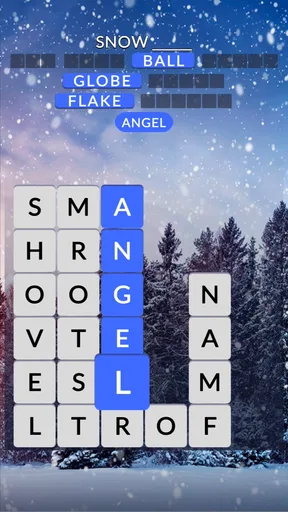
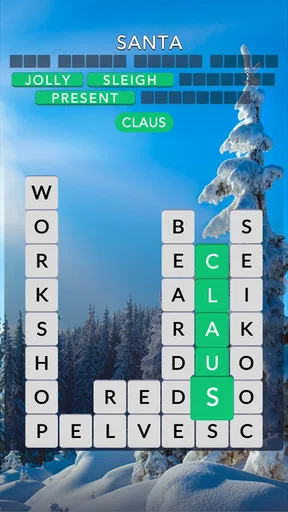
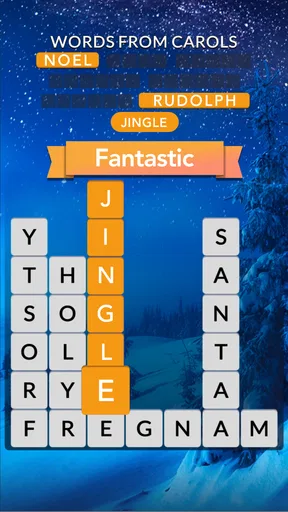
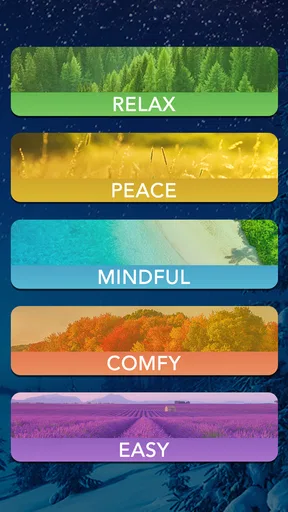
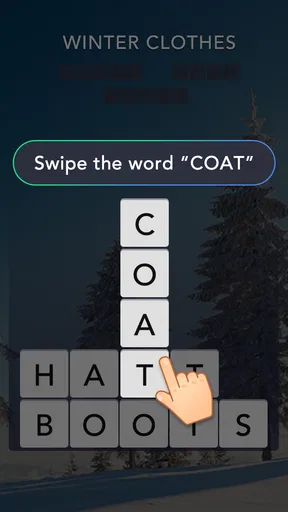
Our Review of Word Tiles: Relax n Refresh
 Analysis by Appyee
I first approached Word Tiles: Relax n Refresh expecting a simple word puzzle to fill a few spare minutes, and that is exactly where it fits best. It is a free word game from Puzzle1Studio built around arranging letter tiles, with a calm presentation that encourages short, unhurried sessions rather than intense competition. The basic idea is easy to understand, but the appeal comes from how the game turns a small set of letters into a quiet mental reset.
That simplicity is important. This is not a story-driven adventure, a social word battle, or a demanding vocabulary course. I see it more as a pocket activity for moments when I want something interactive without having to learn complicated rules. The store summary describes it as a way to relax with word games, and after spending time with it, I think that description captures the intended mood better than a long feature list would.
The game belongs to the word category, carries an Everyone age rating, and is free to install. It has reached over a million installs, with a 4.6 average from around twenty-five thousand ratings. Those figures suggest that its straightforward format has found a sizeable audience, but they do not change the central question: whether its gentle pace suits the way you like to play.
Why the first few sessions feel so approachable
The opening impression is deliberately low-pressure. You can begin working with the letters almost immediately, without first dealing with a complicated tutorial or a large collection of systems. That makes it easy to pick up while waiting for a bus, taking a short break, or winding down before bed. I did not feel that I needed to prepare for a long session; the game works when I give it only a little attention.
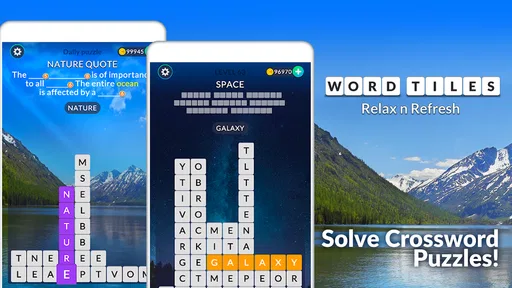
The central action is familiar: look at the available tiles, recognize possible words, and place them in a useful order. The pleasure is not in dramatic surprises but in the small click of seeing a solution appear. A short word can open a path to another one, and a group of apparently awkward letters may become manageable once I stop trying to force the first idea that comes to mind.
That makes the game friendly to people who enjoy word searches but do not want the pressure of a countdown. It also gives casual players room to improve naturally. I found that the most useful habit was to scan the entire group before committing to a word. Rushing toward the first familiar combination can make the board feel harder than it really is, while a slower look often reveals a cleaner arrangement.
The relaxed approach does have a trade-off. Players who want constant urgency may find the opening too restrained. There is no need to react quickly in the same way as in a timed word challenge, and the satisfaction depends on enjoying gradual discovery. If your favorite puzzle games are built around racing a clock or defeating an opponent, this may feel more like a quiet exercise than a contest.
A visual language built around concentration
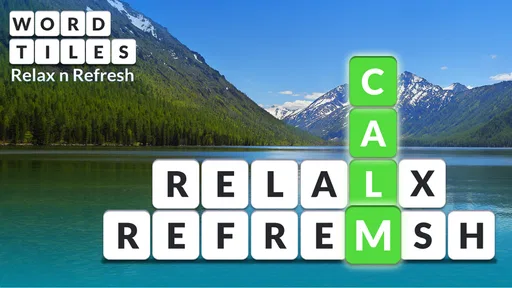
The art direction supports the idea of a restful word activity. Rather than making the letters feel like pieces in a busy arcade interface, the presentation keeps attention on the tile arrangement and the act of forming words. That choice matters because word puzzles already require visual scanning. A crowded screen would make the basic task tiring, while a calmer layout lets me focus on relationships between letters.
I also like the way the setting stays subordinate to the puzzle. The game does not need a large fictional world to justify each move. Its sense of place comes from the overall visual tone: a soft environment for sorting thoughts, making a choice, and moving on to the next small challenge. This is a good example of a game using atmosphere without allowing decoration to overpower the mechanic.
For me, the strongest visual quality is consistency. The letters, tile-based interaction, and surrounding presentation all point toward the same promise: take a breath and solve something manageable. That coherence is more valuable here than elaborate scenery would be. A dramatic setting might have made the game more memorable at first glance, but it could also have distracted from the calm rhythm that gives the experience its identity.
There is a practical benefit to this restrained design. When I play in a short session, I can return to the task quickly instead of spending time remembering a story or navigating several menus. That makes it suitable for small gaps in the day. Someone looking for a game to accompany a commute or a quiet coffee break will understand its appeal immediately.
At the same time, players who judge a game mainly by visual variety should set their expectations carefully. The draw is not a constantly changing spectacle. The art direction serves repetition, and repetition is part of the comfort. Whether that feels soothing or plain depends on what you expect from a word game.
How sound and pacing shape the mood
The audio presentation works best when treated as part of the background rather than the main event. The game’s mood depends on keeping the act of arranging words gentle and readable, so the sound design does not need to compete with the letters. In my sessions, the overall effect is closer to a quiet mental break than to a high-energy game round.
Pacing is the more important element. Each move has enough breathing room for me to consider alternatives, and that changes how I approach the puzzle. I am not simply reacting to a timer; I am testing possibilities. This slower rhythm makes the game useful when I want to stay mentally active without becoming overstimulated.
A realistic use case is a short evening session after work. I can play for a few minutes while waiting for dinner or before putting my phone away, and the word task gives my attention somewhere specific to go. It is more engaging than staring at a blank screen, but less demanding than beginning a large game with a complicated objective. That middle ground is where the title makes the most sense.
The same pacing may not work for everyone. If you use word games to sharpen speed, practice under pressure, or compete with friends, the absence of urgency can reduce the excitement. I would choose a faster alternative for a lunch-break challenge against another player. I would choose this one when I want the activity itself to be calming.
One useful approach is to treat the pause before placing a tile as part of the game rather than as wasted time. I found that deliberately checking for smaller words, alternate endings, and less obvious letter combinations made the experience more satisfying. This is a simple adjustment, but it prevents the game from becoming a mindless tap-through routine.
Where the mechanics fit—and where they do not
The mechanics are accessible because the goal is immediately recognizable. You work with word tiles, make connections between letters, and progress through the puzzle without needing specialist knowledge of a fictional system. That makes the game a reasonable choice for families and mixed-age players, especially since its content rating is Everyone.
It is also a good fit for players who like vocabulary games but prefer a tactile arrangement to a conventional grid. In a typical word-search game, I may scan rows and diagonals for hidden answers. Here, the tile concept makes the act of building words feel more deliberate. I am not only spotting a word; I am deciding how the available pieces should work together.
That distinction creates a useful trade-off. The tile format feels more physical and focused than simply typing an answer, but it can also make a difficult arrangement feel restrictive. When I get stuck, the problem is not always a lack of vocabulary. Sometimes it is tunnel vision: I keep trying to extend one promising word instead of reconsidering the whole group. Starting over mentally, even without resetting anything, is often the best solution.
My practical tip is to divide the letters into three mental groups: likely beginnings, common endings, and unusual tiles. This is not a special feature or a hidden mode; it is a way of reading the board more intelligently. Unusual letters can look like obstacles, but they may also point toward the answer because they narrow the number of plausible combinations. Looking for structure is more effective than guessing randomly.
The game is less suitable for someone seeking deep strategic variety from one session to the next. Its strength is the repeatable core loop, not a large collection of unrelated mechanics. If you want character development, elaborate objectives, or a strong competitive ladder, you will probably prefer another genre. If you want a familiar word activity that can be opened and enjoyed without preparation, the focused design is an advantage.
There is also a question of progression expectations. I would not install this expecting a traditional campaign with a narrative payoff. The reward is the immediate satisfaction of solving the current arrangement and continuing at your own pace. That can be enough for a casual player, but it may feel modest to anyone who needs a larger sense of accomplishment.
What the free model means in everyday use
The game is free, which removes the biggest barrier to trying it. It does include in-app purchases ranging from $0.99 to $99.99 per item, so I would keep that in mind before handing the phone to a child or treating the game as completely cost-free in every circumstance. The free entry point is convenient, but the presence of optional purchases means it is still worth checking purchase controls on the device.
Because the basic experience is built around short word sessions, I do not think you need to spend money to understand whether it suits you. I would play it for several brief sessions first rather than making a purchase immediately. That gives you a fair sense of whether the calm pacing feels relaxing or repetitive. For this type of game, personal fit matters more than the size of the feature list.
The current version is 2606.0.2, and the game supports devices running Android 6.0 or later. That makes compatibility fairly broad for Android users with older supported phones, although the actual comfort of play will still depend on screen size and general device condition. On a smaller display, tile-based word puzzles can require more careful tapping, so I would pay attention to readability if you use an older handset.
One advantage of the format is that it does not demand a large commitment from the player. I can use it as a break rather than as the main event of an evening. That helps explain why the game has remained approachable since its release on May 22, 2019. Its appeal is based on a durable activity—making words from letters—rather than on a temporary trend.
Who should download it, and who should skip it
I would recommend it to anyone who enjoys word puzzles, wants a calmer alternative to fast mobile games, or likes having a small activity available for waiting periods. It is particularly suitable for players who appreciate repetition when the repetition is comforting. The tile format gives the familiar word challenge a little more physical presence, while the presentation keeps the experience from feeling frantic.
I would also suggest it to families looking for an accessible word game with an Everyone rating. Younger players may enjoy the direct interaction, while adults can use the same sessions as a light vocabulary workout. I would still supervise purchases on a shared device, not because the game is difficult to understand, but because free games with optional transactions deserve the same basic caution as any other app.
I would skip it if your priority is competition. A multiplayer word battle, a timed puzzle, or a leaderboard-focused game would be a better choice when you want pressure and comparison. I would also skip it if you need a strong narrative reason to continue. This game’s setting creates a mood, but it does not replace a story campaign.
Players who dislike repeated tile arrangements may also lose interest. The calm structure is the point, and that means the game does not constantly reinvent itself to surprise you. In my opinion, the right question is not whether it has enough spectacle, but whether you enjoy the small satisfaction of finding the next word.
My final view of its atmosphere and lasting appeal
What stays with me is the alignment between presentation and play. The art direction keeps the board legible, the sound and pacing avoid unnecessary pressure, and the tile mechanic gives the player a clear, modest task. None of those elements needs to dominate. Together, they create a coherent mood that makes the game easy to return to when I want a few quiet minutes.
That coherence is also the reason I would not describe it as a universal recommendation. The same restraint that makes it relaxing can make it feel uneventful to a player who wants speed, competition, or a dramatic progression system. I see it as a companion for pauses, not as a replacement for every other type of word game.
Puzzle1Studio has kept the concept focused, and the result is an approachable free title with a clear identity. The 4.6 average and broad install base indicate that many players respond well to that formula, while the Everyone rating makes the audience fairly open. The important caveat is that optional purchases are available, so families should manage device purchase settings before sharing it.
My recommendation is simple: try it when you want to exercise your attention without filling the room with urgency. Give each tile arrangement a proper look, resist the temptation to force the first word you see, and let the slower rhythm do some of the work. Word Tiles: Relax n Refresh is at its best when the goal is not to win quickly, but to leave a short session feeling a little clearer than when it began.
Verdict
Strengths of Word Tiles: Relax n Refresh
- Simple word puzzles are easy to learn and suitable for casual play.
- Relaxing gameplay works well for short breaks or winding down.
- Gradually increasing difficulty keeps the challenge engaging.
- Offline play makes it convenient when no internet connection is available.
- Clean visuals and gentle presentation are comfortable for extended sessions.
Limitations of Word Tiles: Relax n Refresh
- Some puzzles may feel repetitive after extended play.
- Later levels can rely on obscure or less familiar words.
- Hints may be limited or require watching advertisements.
- Frequent ads can interrupt the otherwise relaxing experience.
- Players seeking competitive multiplayer may find the solo format limiting.
Other Releases by Puzzle1Studio
View All
Brick Out - Shoot the ball
Puzzle4.5

Bubble Pop Origin! Puzzle Game
Puzzle4.7
Similar Picks in This Category
View All
Word Search - Word Puzzle Game
Bluetile4.8

Word Search Quest - Puzzles
Blackout Lab4.8

CodyCross: Crossword Puzzles
Fanatee, Inc.4.7

Words of Wonders: Crossword
Fugo Games4.9

Wordscapes: Word puzzle game
PeopleFun4.7

Word Search Explorer
PlaySimple Games4.9
Frequently Asked Questions
What is Word Tiles: Relax n Refresh, and how is the game played?
Word Tiles: Relax n Refresh is a casual word puzzle game designed for short, relaxing play sessions. You generally arrange or connect letter tiles to form valid words and complete level objectives. The difficulty gradually increases, introducing larger boards, more challenging combinations, or additional goals. Its calm presentation makes it suitable for players who enjoy vocabulary games without fast timers or intense competition.
Is Word Tiles: Relax n Refresh free to download and play?
The game can typically be downloaded for free, but free access may include advertising, optional in-app purchases, or both. Purchases may provide hints, remove advertisements, unlock content, or offer other helpful resources. Before downloading, it is worth checking the current store listing for pricing, subscription details, and whether any features are restricted behind payments, since these conditions can change with updates.
Can I play Word Tiles: Relax n Refresh offline?
Many of the basic word puzzles may be playable without a continuous internet connection, which is convenient for travel or situations with limited data. However, an internet connection may still be needed for advertisements, cloud synchronization, account features, analytics, updates, or in-app purchases. If offline play is important to you, test the game after temporarily disabling your connection because availability can vary by device and version.
Is Word Tiles: Relax n Refresh suitable for children and beginners?
The simple tile-based format and relaxed pace make Word Tiles: Relax n Refresh approachable for beginners and casual players. It can also encourage spelling, vocabulary recognition, and pattern-solving skills. Nevertheless, parents should review the game’s age rating, advertising, purchase options, and privacy information before allowing children to play. The vocabulary and difficulty may become more demanding as later levels progress.
Does Word Tiles: Relax n Refresh include hints, progress saving, or accessibility options?
The game is built around gradual puzzle progression and may provide assistance such as hints, tile shuffling, or other tools when a player gets stuck. Progress-saving behavior can depend on the platform, device, and whether the game is connected to a supported account or cloud service. Players should also review the settings menu for sound controls, notifications, text presentation, and other available comfort options before starting.
Play our best games!


